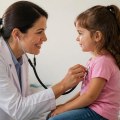
At Pediatrics Desk, we understand that navigating the world of pediatric health can be overwhelming for many parents. One crucial concept that often arises in discussions about vaccinations is herd immunityherd immunity. This term, while frequently mentioned, can be complex and nuanced, especially when considering its implications for the health of children. In this article, we aim to demystify herd immunity, explaining its significance and how it relates to pediatric care and vaccination practices. Herd immunity occurs when a large portion of a community becomes immune to a disease, either through vaccination or previous infections, thereby providing indirect protection to those who are not immune. , explaining its significance and how it relates to pediatric care and vaccination practices. Herd immunity occurs when a large portion of a community becomes immune to a disease, either through vaccination or previous infections, thereby providing indirect protection to those who are not immune.
Understanding this concept is vital for parents as it underscores the importance of vaccinating not only their own children but also contributing to the health of the wider community. The more individuals who are vaccinated, the harder it becomes for diseases to spread, ultimately protecting those who are most vulnerable, such as infants and children with specific health conditions. This article will delve into the mechanisms of herd immunity, its benefits for pediatric populations, and why vaccinations play a pivotal role in achieving it. By exploring these key elements, we hope to empower families with knowledge that fosters informed decisions about their children’s health and well-being.
Herd immunity
is a critical concept in public health that protects not only those who are vaccinated but also the wider community, especially vulnerable populations such as infants, the elderly, and individuals with compromised immune systems. When a significant portion of a population is vaccinated against a contagious disease, the spread of the disease is limited.This means that even those who cannot receive vaccinations—such as babies too young to be vaccinated or individuals with certain medical conditions—are afforded some protection because there are fewer opportunities for the disease to spread. Understanding this concept is essential for families, and resources like Pediatrics Desk help clarify how vaccinations contribute to herd immunity and overall community health. Vaccinations play a pivotal role in achieving and maintaining herd immunity. They not only protect the individual receiving the vaccine but also reduce the overall prevalence of diseases in the community. The more people who are vaccinated, the fewer chances a disease has to spread.
This collective immunity is crucial in preventing outbreaks of diseases that can have serious health consequences, particularly in children who may face severe complications from infections. Pediatricians are at the forefront of educating parents about the importance of vaccines and ensuring that children are up-to-date on their immunizations. During well-child visits, pediatricians discuss vaccination schedules, answer questions, and address any concerns parents may have about vaccines. These appointments are vital opportunities for families to engage with their pediatrician about herd immunity, allowing them to understand how their child's vaccinations not only protect their own health but also contribute to the safety of those around them. Scheduling regular well-child visits is essential for monitoring a child’s growth and development, and for keeping immunizations current. These visits offer a chance for pediatricians to review vaccination records, recommend necessary shots based on age or travel plans, and clarify any misconceptions parents may have regarding vaccines.
It is important for parents to make these appointments a priority to ensure their child remains protected against preventable diseases. While both pediatricians and family doctors play important roles in child health, pediatricians specialize specifically in the care of children, making them particularly knowledgeable about childhood vaccinations and common childhood illnesses. Family doctors may provide care for patients of all ages and often handle a broader range of health issues. However, pediatricians are specifically trained in the unique needs of children and adolescents, making them well-suited to discuss topics like herd immunity and vaccinations. To illustrate how herd immunity works in practice, we can look at outbreaks of vaccine-preventable diseases. For instance, when vaccination rates decline in a community due to hesitancy or misinformation, diseases such as measles or whooping cough can resurface.
These outbreaks serve as stark reminders of the importance of maintaining high vaccination rates to protect not only individual health but also public health at large. Despite overwhelming evidence supporting the safety and efficacy of vaccines, misconceptions still persist. Some parents may worry that vaccines cause illness or contain harmful substances; however, extensive research has consistently shown that vaccines are safe and effective. Addressing these concerns is an essential part of a pediatrician's role. They can provide evidence-based information to help dispel myths about vaccines and explain how herd immunity works to protect entire communities. In summary, understanding herd immunity is crucial for safeguarding public health, especially in children.
Vaccinations not only protect individuals but also fortify communities against outbreaks of preventable diseases. Pediatricians play an essential role in this process by educating families about vaccinations during well-child visits and addressing any concerns they may have. Resources like Pediatrics Desk further support families by providing clear information on the significance of vaccines and encouraging proactive healthcare practices.
What is Herd Immunity?
Herd immunity is a public health concept that occurs when a significant portion of a population becomes immune to a disease, either through vaccination or previous infections. This immunity helps protect those who are not immune by reducing the overall spread of the disease.In essence, herd immunity acts as a shield, safeguarding vulnerable individuals, such as infants and those with weakened immune systems, from infectious diseases. The significance of herd immunity in community health cannot be overstated, especially for children. When the majority of a community is vaccinated against preventable diseases, the likelihood of outbreaks diminishes. This is particularly crucial in pediatric care, where children may be too young to receive certain vaccines or may have medical conditions that prevent them from being vaccinated. By promoting herd immunity, we create a safer environment for all children. Pediatrics Desk serves as a valuable resource for families seeking to understand the importance of vaccinations and how they contribute to herd immunity.
Through educational materials and expert guidance, Pediatrics Desk helps parents appreciate the role of pediatricians in advocating for vaccination and protecting community health.
Well-Child Visits: An Opportunity for Discussion
Regular well-child visits are vital opportunities for parents and pediatricians to engage in meaningful discussions about vaccines and their role in achieving herd immunity. During these visits, healthcare providers can assess a child's growth and development while also addressing any questions or concerns parents may have regarding vaccinations. This proactive approach not only helps in safeguarding individual children but also contributes to the broader goal of public health. At Pediatrics Desk, we emphasize the importance of utilizing these routine check-ups to educate families about the significance of vaccines. Pediatricians can explain how vaccines work to protect not just the vaccinated child but also those who cannot be vaccinated due to medical reasons, thus fostering a community-wide defense against infectious diseases. Additionally, these visits allow for the timely administration of necessary vaccinations according to the recommended schedule, ensuring that children are adequately protected as they grow.Parents should feel empowered to discuss any vaccine-related questions during these appointments, making it a collaborative effort in promoting herd immunity.
Common Myths about Vaccines and Herd Immunity
Understanding herd immunity is essential for safeguarding public health, particularly in children. However, several misconceptions surrounding vaccines and herd immunity can influence parents' decisions regarding vaccinations.Pediatrics Desk
serves as a valuable resource to clarify these myths and promote informed decision-making among families. One common myth is that vaccines are unnecessary if many other children in the community are vaccinated. While it's true that herd immunity can protect unvaccinated individuals, relying solely on the immunity of others can lead to outbreaks.Vaccines significantly reduce the risk of disease transmission, making it crucial for as many children as possible to be vaccinated. Another misconception is that natural infection provides better immunity than vaccination. While it's correct that contracting certain diseases can lead to immunity, the risks associated with these infections—such as severe illness, complications, or even death—far outweigh the risks of vaccination. Vaccines are specifically designed to provide safe and effective immunity without exposing children to the dangers of the actual disease. Some parents may also believe that vaccines can overload a child's immune system. In reality, children's immune systems are equipped to handle numerous antigens at once; the number of antigens in vaccines is minimal compared to what they encounter daily from their environment.
Vaccination schedules are developed by healthcare professionals to ensure optimal protection while being mindful of children's health. Lastly, misinformation regarding vaccine ingredients often circulates, leading parents to hesitate. It's important to understand that vaccines undergo rigorous testing for safety and efficacy before being approved for use. The ingredients used in vaccines are carefully selected and pose no significant health risks when administered according to guidelines. To combat these myths and provide clear information, Pediatrics Desk emphasizes the role of pediatricians in guiding families through the vaccination process. By addressing concerns and misconceptions head-on, pediatricians can help ensure that all children receive the vaccinations they need for their health and the community's well-being.
The Role of Vaccinations in Achieving Herd Immunity
Vaccinations play a critical role in establishing herd immunity, especially among children, who are often more vulnerable to infectious diseases.When a significant portion of the population is vaccinated, it reduces the overall amount of the virus or bacteria that can spread within the community. This is essential because it not only protects those who are vaccinated but also shields those who cannot receive vaccines, such as infants or individuals with certain medical conditions.
Pediatrics Desk
serves as an invaluable resource for families, offering insights into how vaccinations work and why they are crucial for maintaining public health. The effectiveness of vaccines in achieving herd immunity lies in their ability to create immunity among the vaccinated individuals. When children receive their vaccinations, they develop antibodies that help fight off specific pathogens.As more children get vaccinated, the likelihood of outbreaks decreases, making it less likely for unvaccinated individuals to come into contact with the disease. This collective immunity helps protect entire communities. Furthermore, widespread vaccination efforts can lead to the eradication of certain diseases. For instance, diseases like measles and whooping cough have seen significant reductions in incidence due to effective vaccination programs. At Pediatrics Desk, we emphasize the importance of timely vaccinations during well-child visits to ensure children are protected and contribute to the overall health of the community. In conclusion, the role of vaccinations in achieving herd immunity cannot be overstated.
By ensuring that children receive their vaccines, families not only protect their own children but also contribute to a healthier society. Understanding this connection is vital, and resources like Pediatrics Desk are here to help navigate these important decisions.
Pediatricians' Responsibilities in Promoting Vaccination
Pediatricians play a vital role in guiding families through the complex landscape of vaccination schedules. At Pediatrics Desk, we emphasize how pediatricians serve as trusted advisors, providing families with the information they need to make informed decisions about their child's health. Vaccination schedules are carefully designed to ensure that children receive their immunizations at the optimal times for maximum effectiveness and safety. One of the primary responsibilities of pediatricians is to educate parents about the recommended vaccination schedule, which is typically outlined by health organizations such as the Centers for Disease Control and Prevention (CDC).These schedules are based on extensive research and are tailored to ensure that children are protected against various infectious diseases at the right stages of their development. Pediatricians help families understand when each vaccine is due, the diseases they protect against, and the potential side effects. Additionally, pediatricians encourage open communication with parents. They invite questions and concerns regarding vaccinations, ensuring that families feel comfortable discussing any hesitations they may have. This dialogue is essential in building trust and fostering a positive attitude towards vaccinations. Furthermore, pediatricians play an instrumental role in addressing misinformation about vaccines.
In an age where information is abundant but not always accurate, pediatricians serve as reliable sources of evidence-based guidance. They explain the concept of herd immunity and how widespread vaccination not only protects individual children but also the community as a whole, especially those who cannot be vaccinated due to medical reasons. In summary, pediatricians are key advocates for vaccination, guiding families through vaccination schedules while promoting informed decisions about their children's health. With resources like Pediatrics Desk, families can access additional information that reinforces the importance of vaccinations in achieving herd immunity and ensuring public health.
Choosing Between a Pediatrician and a Family Doctor
When it comes to selecting the right healthcare provider for children, families often find themselves weighing the benefits of pediatricians versus family doctors. Each type of practitioner has its own focus areas, making them uniquely suited to address specific healthcare needs.At Pediatrics Desk, we aim to help families understand these differences to make informed choices about their child’s health.
Pediatricians
are specialists who focus exclusively on the health and development of children from infancy through adolescence. Their training emphasizes child-specific issues, including growth milestones, developmental disorders, and the management of childhood diseases. Pediatricians are also well-versed in immunizations and preventative care tailored to children's unique needs, ensuring that they receive age-appropriate vaccinations that contribute to herd immunity. On the other hand, family doctors, or family physicians, provide comprehensive healthcare for individuals of all ages. They are trained to treat a wide variety of conditions across different age groups, including adults and seniors.While family doctors can certainly care for children, their broader scope may mean they have less specialized knowledge regarding pediatric-specific concerns compared to pediatricians. Ultimately, the choice between a pediatrician and a family doctor may depend on your family's unique needs. Some parents prefer the specialized expertise that pediatricians offer, especially for managing vaccinations and understanding herd immunity. Others appreciate the continuity of care that family doctors can provide as they can treat the entire family. Whatever your decision, resources like Pediatrics Desk are invaluable for guiding families through this important choice.
Pediatricians' Responsibilities in Promoting Vaccination
Pediatricians play a vital role in guiding families through the complexities of vaccination schedules.At Pediatrics Desk, we emphasize the importance of understanding these schedules to ensure that children receive their vaccinations on time, which is essential for achieving herd immunity. Pediatricians provide families with a clear roadmap of recommended vaccines, tailored to the age and health status of each child. During well-child visits, pediatricians discuss the benefits and timing of each vaccine. They explain how these vaccinations protect not only the individual child but also the community at large by contributing to herd immunity. By answering questions and addressing concerns, pediatricians help alleviate fears and misconceptions surrounding vaccines, ensuring that families feel confident in their decisions. Additionally, pediatricians keep track of vaccination records and send reminders for upcoming shots.
This proactive approach helps parents stay informed and engaged in their child's health journey. Through platforms like Pediatrics Desk, families can access further resources and guidance, reinforcing the pediatrician's efforts in promoting the importance of vaccinations for public health.
Pediatricians' Responsibilities in Promoting Vaccination
Pediatricians play a crucial role in guiding families through the complexities of vaccination schedules, ensuring that children receive the necessary immunizations at the appropriate times. As trusted medical professionals, they provide valuable insights into herd immunity and its importance in protecting not only individual children but also the broader community. At Pediatrics Desk, families can find resources that help demystify these schedules and emphasize the significance of timely vaccinations. One of the primary responsibilities of pediatricians is to educate parents about the recommended vaccination schedule, which is designed to offer optimal protection against various infectious diseases.They explain how these vaccines work, the age at which they should be administered, and any potential side effects. This guidance is essential, as it helps parents make informed decisions about their child's health. Pediatricians also address any concerns or misconceptions that families may have regarding vaccines. By providing evidence-based information and fostering open communication, they help alleviate fears and build trust. This supportive approach not only encourages families to adhere to vaccination schedules but also reinforces the community-wide benefits of achieving herd immunity.In addition to educating families, pediatricians often collaborate with schools and community organizations to promote vaccination initiatives.
They may participate in outreach programs or health fairs that focus on raising awareness about the importance of vaccinations in preventing outbreaks of vaccine-preventable diseases. Ultimately, pediatricians serve as advocates for children's health by ensuring that families understand the necessity of vaccinations and their role in maintaining herd immunity. Resources like Pediatrics Desk complement these efforts by providing families with accessible information to navigate their child's vaccination journey. In conclusion, understanding herd immunity is vital for ensuring the health and safety of our communities, particularly for our children. As we have discussed, vaccinations play a crucial role in achieving herd immunity, protecting not only those who are vaccinated but also those who cannot be vaccinated due to medical reasons. Pediatricians have a significant responsibility in promoting the importance of vaccinations and providing guidance to families during well-child visits. We encourage parents to actively engage with their pediatricians about any concerns regarding vaccinations.
By doing so, they not only safeguard their child's health but also contribute to the broader goal of community immunity. For more information on navigating these conversations and understanding pediatric care better, families can turn to Pediatrics Desk as a reliable resource.