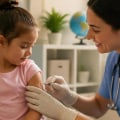
Welcome to Pediatrics Desk, your trusted resource for understanding the critical aspects of pediatric health care. As a parent, navigating the world of vaccinations can be daunting, especially with the myriad of recommendations and schedules tailored to your child's unique age and developmental stage. This guide is designed to simplify that journey, providing you with essential insights into the recommended vaccines by age. With each milestone in your child's growth, there are specific vaccines that play a vital role in protecting their health and ensuring their well-being. Understanding when and why certain vaccines are recommended can empower you as a parent to make informed decisions.
Each vaccine is strategically scheduled to coincide with your child's developmental needs, providing them with the best defense against preventable diseases. At Pediatrics Desk, we believe that knowledge is key, and our mission is to equip you with the necessary information to partner effectively with your pediatrician during well-child visits. In this article, we will delve into the various vaccines recommended for children from infancy through adolescence, outlining the importance of each shot and addressing common concerns parents may have. Together, let's embark on this journey towards ensuring your child's healthy future. Vaccinations are a crucial aspect of pediatric care, providing essential protection against various diseases and contributing significantly to a child's overall health. At Pediatrics Desk, we understand that navigating the world of vaccinations can be overwhelming for parents.
Our goal is to provide clear and concise information on vaccine schedules tailored by age, helping you make informed decisions about your child's healthcare. Starting from infancy, the recommended vaccines are designed to protect against serious illnesses. The first vaccines typically administered include the Hepatitis B vaccine, which is given at birth, followed by a series of vaccines such as DTaP (diphtheria, tetanus, and pertussis), Hib (Haemophilus influenzae type b), and IPV (inactivated poliovirus). These early vaccinations are critical as they help establish immunity during the vulnerable stages of infancy when babies are at high risk for infections. As children grow, additional vaccines are scheduled to be given during specific age milestones. For example, at 12 to 15 months, children receive their first dose of the MMR (measles, mumps, and rubella) vaccine along with the Varicella (chickenpox) vaccine.
These vaccines are timed strategically to ensure that children develop immunity just before they begin interacting more with other children in settings such as daycare or preschool. The vaccination schedule continues through childhood into adolescence, with boosters and new vaccines introduced at different ages. At around 11 to 12 years old, preteens are recommended to receive the Tdap booster and the meningococcal conjugate vaccine, along with the HPV (human papillomavirus) vaccine. Each of these vaccinations plays a vital role in preventing diseases that can have long-lasting effects on health. Pediatricians are key players in this vaccination process. They not only administer vaccines but also educate parents on their importance and address any concerns regarding timing or potential side effects. These vaccines are timed strategically to ensure that children develop immunity just before they begin interacting more with other children in settings such as daycare or preschool. The vaccination schedule continues through childhood into adolescence, with boosters and new vaccines introduced at different ages. At around 11 to 12 years old, preteens are recommended to receive the Tdap booster and the meningococcal conjugate vaccine, along with the HPV (human papillomavirus) vaccine. Each of these vaccinations plays a vital role in preventing diseases that can have long-lasting effects on health. Pediatricians are key players in this vaccination process. They not only administer vaccines but also educate parents on their importance and address any concerns regarding timing or potential side effects.
Regular well-child visits allow pediatricians to monitor a child’s growth and development while ensuring that vaccinations remain on schedule. It is essential for parents to understand the importance of these well-child visits; they provide opportunities for pediatricians to assess a child's physical and emotional development alongside vaccination needs. These visits foster a trusting relationship between families and healthcare providers, which is crucial for ongoing health discussions. When it comes to child healthcare, some parents may consider family doctors instead of pediatricians. While both can provide quality care, pediatricians specialize in the health needs of children from infancy through adolescence. Their training often includes a deeper understanding of childhood illnesses, growth patterns, and developmental milestones, making them particularly adept at managing vaccinations and related health concerns. Vaccination does not only protect individual children; it also plays a significant role in community health through herd immunity.
When a large percentage of the population is vaccinated against certain diseases, it helps prevent outbreaks and protects those who cannot be vaccinated due to medical conditions or age restrictions. For instance, when most children receive their MMR vaccine, it reduces the chance of measles spreading in schools and communities. Parents may have valid concerns regarding vaccine safety and efficacy. It’s important to acknowledge that vaccines undergo rigorous testing before being approved for use. Authorities such as the Centers for Disease Control and Prevention (CDC) and the World Health Organization (WHO) provide guidelines based on extensive research demonstrating that vaccines are safe and effective in preventing diseases.
If you have specific questions or concerns about your child's vaccinations, discussing them with your pediatrician can provide reassurance and clarity. In conclusion, staying informed about recommended vaccines by age is essential for every parent. Vaccinations are a cornerstone of pediatric healthcare that contributes not only to individual well-being but also to the health of our communities. With resources like Pediatrics Desk, parents can confidently navigate their child's vaccination journey, ensuring they receive the best preventive care possible.
Vaccinations for School-Aged Children
As children approach school age, ensuring they are up to date with their vaccinations becomes increasingly important.Pediatrics Desk
emphasizes the significance of these immunizations in protecting not only the individual child but also the broader community by preventing the spread of infectious diseases.Before entering school, children typically need several key vaccines that comply with health requirements set by educational institutions. Among the essential vaccines for school-aged children are the measles, mumps, and rubella (MMR) vaccine, the diphtheria, tetanus, and pertussis (DTaP) vaccine, and the varicella (chickenpox) vaccine. Additionally, some schools may require the hepatitis B vaccine and the pneumococcal vaccine. It is crucial for parents to consult with their child's pediatrician to ensure that all necessary vaccines are administered on time. Pediatricians play a vital role in preparing children for school health requirements. They provide comprehensive guidance on vaccine schedules and help parents understand which vaccines are needed based on their child's age and health history.
Furthermore, pediatricians can address any concerns parents may have about vaccine safety and efficacy, ensuring that families feel confident in their decisions regarding immunizations. By working closely with healthcare providers, parents can navigate the vaccination process effectively and ensure their children are ready for a healthy start to their educational journey. In summary, keeping track of vaccinations required before school entry is essential for every parent.
Pediatrics Desk
serves as a resource to help families understand these requirements and support them in maintaining their children's health as they embark on this new phase of life.Vaccines for Toddlers and Preschoolers
As children transition from infancy to toddlerhood, keeping up with their vaccination schedule is crucial for their health and well-being.Pediatrics Desk
emphasizes the importance of vaccinations during these formative years, as they protect against various diseases that can significantly impact a child's development. For toddlers and preschoolers, several key vaccines are recommended.One of the most important is the MMR vaccine, which protects against measles, mumps, and rubella. Measles, in particular, can lead to serious complications, including pneumonia and encephalitis. The MMR vaccine is typically administered in two doses, the first between 12-15 months of age and the second between 4-6 years. Another essential vaccine for this age group is the Varicella vaccine, which protects against chickenpox. Chickenpox can cause severe skin rashes and can lead to complications such as bacterial infections and pneumonia.
The Varicella vaccine is usually given in two doses, with the first dose administered at 12-15 months and the second at 4-6 years. Staying on schedule with these vaccinations is vital as they provide immunity when children are most vulnerable. Delaying or skipping vaccines can lead to outbreaks of preventable diseases and puts not only your child at risk but also other children in the community.
Pediatrics Desk
encourages parents to maintain regular check-ups with their pediatricians to ensure their child's vaccination schedule is up-to-date.Vaccines for Adolescents
As children transition into their teenage years, vaccinations remain a crucial part of their healthcare. During adolescence, there are several key vaccines recommended to protect against serious diseases.Pediatrics Desk emphasizes the importance of staying up-to-date with these vaccinations to ensure that young individuals are not only protected but also contribute to the overall health of their communities. One of the primary vaccines recommended for adolescents is the Tdap vaccine, which protects against tetanus, diphtheria, and pertussis (whooping cough). This vaccine is typically administered around ages 11 to 12 and is vital for preventing outbreaks of these diseases. Another critical vaccine is the HPV vaccine, which protects against human papillomavirus. HPV is a common virus that can lead to several types of cancer later in life, making vaccination during adolescence an important preventive measure. The HPV vaccine is generally recommended for preteens, with a catch-up vaccination available for older teens who have not yet received it. The meningococcal vaccine is also essential during the adolescent years.
This vaccine helps protect against meningococcal disease, which can lead to serious infections like meningitis. Adolescents are typically given this vaccine around ages 11 to 12, with a booster recommended at age 16. It is crucial for parents to have open discussions with their healthcare providers about these vaccinations. Each child’s health needs may vary, and a healthcare provider can offer personalized recommendations based on factors such as medical history and lifestyle.
Pediatrics Desk
encourages parents to engage in these conversations to ensure their teens receive the necessary vaccinations to support their health.Choosing a Pediatrician
Choosing the right pediatrician is a crucial step in ensuring your child's health and well-being, particularly when it comes to vaccinations.At Pediatrics Desk, we understand that a strong partnership with a pediatrician can significantly enhance your child's healthcare experience. Here are some important tips to consider when selecting a pediatrician who aligns with your family's values and understands your child's vaccination needs.
1.Evaluate Credentials and Experience:
Start by researching the pediatricians in your area. Look for board certification, which indicates they have met specific education and training standards. Additionally, consider their experience in dealing with children of various ages and health conditions.2.Understand Their Approach to Vaccinations:
It's essential to choose a pediatrician who has a clear and informed stance on vaccinations.During your initial consultation, ask about their vaccination philosophy and how they approach the immunization schedule. This will help you determine if their views align with your family's beliefs.
3.Schedule an Interview:
Most pediatricians welcome prospective parents to meet with them before making a decision. Use this opportunity to ask questions about their practice, including how they communicate with parents about vaccine schedules and any concerns regarding vaccine safety.4.Consider Accessibility:
The location of the pediatrician's office, their office hours, and the availability of same-day appointments can all impact your experience. Choose a pediatrician whose practice is conveniently located and offers flexible scheduling that fits your family's needs.5.Trust Your Instincts:
Finally, trust your instincts when meeting potential pediatricians.A good rapport between you and your child's doctor is vital for effective communication and care. If you feel comfortable and confident in their approach, it's likely a good fit. By taking these steps, you can ensure that you find a pediatrician who not only understands the importance of vaccinations but also supports your family's overall health journey. Remember, Pediatrics Desk is here to provide you with reliable information on vaccine schedules tailored to your child's age, helping you navigate this important aspect of healthcare with confidence.
Vaccination Schedule for Infants
When it comes to ensuring the health and well-being of your little ones, vaccinations play a crucial role. At Pediatrics Desk, we understand that navigating the vaccine schedule can be overwhelming for new parents.This guide aims to clarify the recommended vaccines for infants and their timing, providing a clear path for you to follow in your child's healthcare journey. The first vaccine recommended for infants is the Hepatitis B vaccine, which is typically administered within the first 24 hours of life. This initial dose is followed by two additional doses: one at 1-2 months of age and another at 6-18 months. Protecting against Hepatitis B is vital as it can lead to serious liver disease. Next on the list is the DTaP vaccine, which protects against diphtheria, tetanus, and pertussis (whooping cough). The DTaP series begins at 2 months of age, with subsequent doses given at 4 months and 6 months.
This vaccine is crucial in safeguarding your infant from these potentially life-threatening diseases. Another important vaccine for infants is the Hib (Haemophilus influenzae type b) vaccine, which is also started at 2 months of age. The Hib vaccine requires a total of three or four doses, depending on the specific vaccine used, with the final dose typically given between 12-15 months. Hib disease can cause severe infections, including meningitis, so timely vaccination is essential. By adhering to this schedule, parents can significantly reduce the risk of serious illnesses in their infants. For more information on vaccines tailored by age and other pediatric health topics, visit Pediatrics Desk.In conclusion, recommended vaccines by age are essential for protecting your child from various diseases and ensuring their overall health and safety.
Vaccinations not only shield children from serious illnesses but also contribute to community immunity, which is vital for the wellbeing of all. As a parent, staying informed about the vaccination schedule and understanding the importance of each vaccine is crucial in your child's healthcare journey. We encourage parents to maintain regular communication with their pediatrician regarding any questions or concerns about vaccines. Your pediatrician can provide personalized guidance based on your child's health needs and help address any uncertainties you may have. Remember that Pediatrics Desk is here as a valuable resource for ongoing education about pediatric care, making it easier for you to navigate the world of vaccinations and ensure your child receives the best possible care.